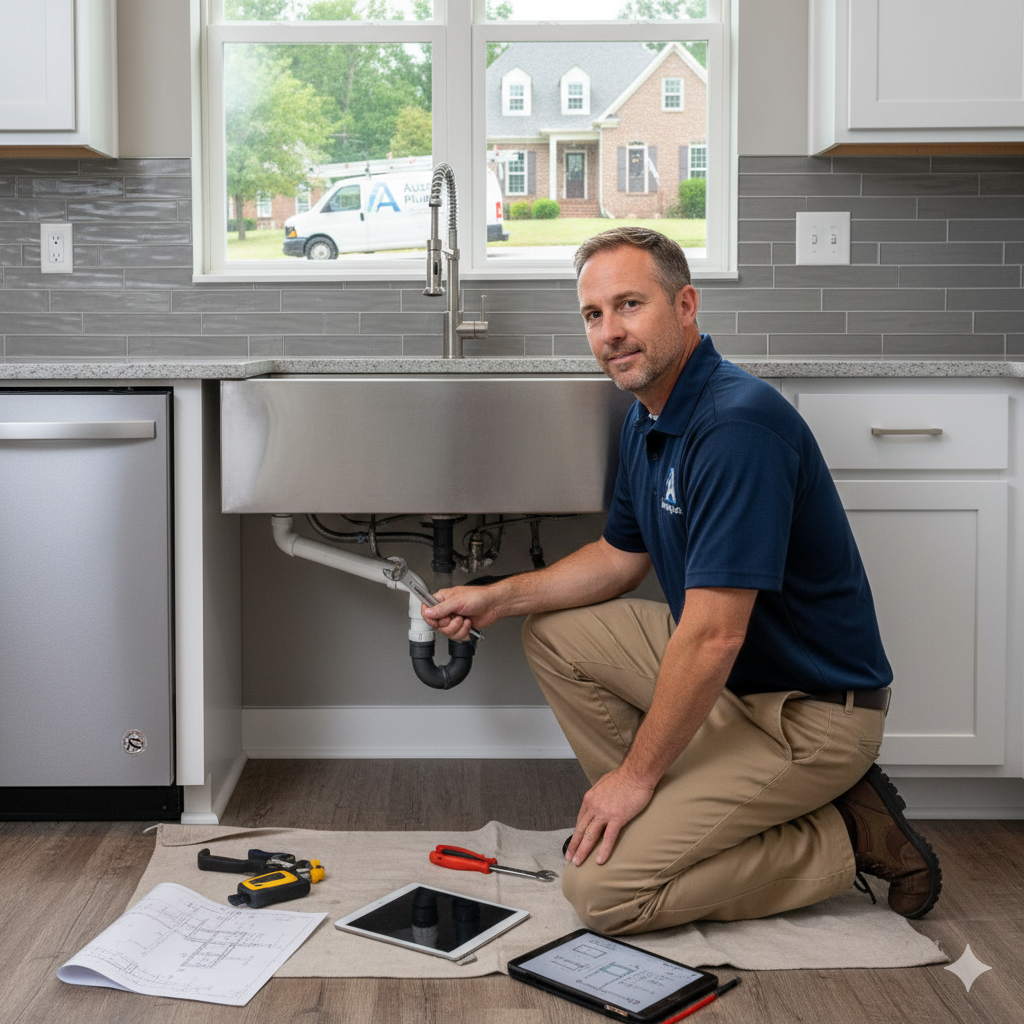
I know how stressful a burst pipe or a slow-draining sink can be, especially when you need quick, trustworthy help in the area. If you’re searching for plumbing services Austell GA, you’re likely looking for fast response, clear pricing, and technicians who know this region. Austell and the surrounding communities have unique home styles and older infrastructure in places, and understanding that local landscape matters — the U.S. Census estimates show steady population shifts in this part of metro Atlanta, which affects housing stock and utility demands.
Why local plumbing expertise matters in Austell
Living in Austell, GA means dealing with everything from older pipes in historic bungalows to newer systems in recently built subdivisions. A plumber who understands the local soil, seasonal temperature swings, and common construction practices will diagnose problems faster and avoid fixes that don’t last. Working with a local team can also mean faster arrival times for emergencies and familiarity with neighborhood permits or codes.
Common plumbing problems I see in this area
Across Austell, Mableton, Lithia Springs, and Powder Springs, several issues show up repeatedly. These aren’t just inconveniences — left alone they can become costly repairs. Being aware of symptoms helps you act early.
- Slow or clogged drains that resist standard plunging and reveal debris or tree-root intrusion in older sewer lines.
- Water heater failures and inconsistent hot water, especially with aging tank systems approaching 8–12 years of service.
- Hidden leaks that raise your water bill or cause ceiling stains and mold in attics and crawlspaces.
- Low water pressure caused by mineral buildup, corroded piping, or main line issues.
Emergency plumbing: what to do right now
When a plumbing emergency happens, calm actions can reduce damage and give professionals a better chance to fix the core issue. Here’s a short, practical sequence I recommend for homeowners in the city:
- Shut off the main water valve to stop flooding. Know where this valve is before you need it.
- Turn off the water heater if hot water lines are affected to prevent scalding or further damage.
- Move valuables and furniture out of the wet area to limit water damage.
- Call an emergency plumber who serves Austell and nearby neighborhoods; ask about arrival time and what to expect on-site.
Trending upgrades I’m seeing in plumbing
Plumbing in 2025 isn’t just pipes and wrenches. Two trends homeowners are investing in right now are smart leak detection and more efficient water heating.
Smart leak detectors can alert you the moment a pipe starts to drip — they can shut off a smart valve automatically or notify your phone, which is especially useful if you travel or have a second home in the region. Tankless and heat-pump water heaters are also growing in popularity. They take less space and can be far more energy efficient than old tank systems, reducing monthly utility costs while providing a steady supply of hot water when sized correctly.
How to pick the right plumber in Austell
Choosing a contractor is about trust, communication, and local knowledge. Here are the practical criteria I use when vetting plumbing pros for my property or recommending someone to a neighbor:
- Licensing and local permitting experience — they should know county codes and permit procedures.
- Clear, written estimates that explain labor, parts, and any warranties.
- Reviews that mention punctuality, respect for the home, and tidy cleanup.
- Emergency response options and availability for after-hours calls.
Actionable maintenance steps to avoid common repairs
Preventive care saves time and money. Follow these four routine checks at home to catch issues early and keep systems running smoothly in our climate.
- Inspect exposed pipes and under-sink cabinets quarterly for moisture, corrosion, or small leaks.
- Flush your water heater once a year to remove sediment buildup and improve efficiency.
- Keep gutters and downspouts clear so roof and foundation drainage don’t overwhelm sewer lines during heavy rain.
- Use strainers in sinks and showers to prevent hair and food buildup that leads to clogs.
Seasonal tips for Austell homeowners
Georgia weather affects plumbing in specific ways. Summers bring heavier storms and tree-root activity that can impact sewer lines, while mild winters still pose a risk for exposed outdoor spigots and irrigation lines. Before the hottest and wettest months, check outdoor hose bibs and irrigation backflow devices for proper operation to avoid surprises.
What to expect from a professional repair or replacement
A good service visit should include a clear diagnosis, an explanation of options, and transparent pricing. Typical steps I expect a reputable crew to take are to inspect, explain findings in plain language, show the faulty parts if possible, recommend repair vs. replacement with pros and cons, and provide a written estimate before work starts. After the job, they should test the repair, clean the work area, and document any warranty or follow-up needs.
Cost considerations and financing options
Repair costs vary by scope. Simple repairs like replacing a faucet cartridge are modest, while sewer line repairs, water heater replacements, or extensive leak remediation can be larger investments. Many local plumbing teams offer financing or payment plans for larger projects so homeowners can spread costs. Ask about warranty coverage and whether their work includes parts and labor guarantees; this often makes upfront costs easier to justify.
Service areas and neighborhoods I commonly cover in the city
Homeowners in Austell, Mableton, Lithia Springs, Powder Springs, and parts of south Cobb County often need similar plumbing support. Whether you live near the downtown stretch, close to local parks, or near commercial corridors, look for providers who list nearby neighborhoods as part of their regular service area to ensure faster response and lower travel fees.
Common questions I answer for neighbors
Here are a few typical concerns people bring up when they call me or another local plumber:
- “Why is my water bill suddenly higher?” — Often caused by hidden leaks, a running toilet, or irrigation issues; a quick audit can find the culprit.
- “Do I need a full sewer replacement?” — Not always. In many cases, trenchless repair or spot repairs solve the problem; an inspection camera helps decide.
- “Is tankless worth it?” — For many households, yes — energy savings and space are big benefits, but upfront costs and household hot-water patterns matter for sizing.
How the right plumber helps protect your home value
Plumbing problems left unattended can lead to structural damage, mold, and costly remediation that impacts resale value. Regular maintenance, timely repairs, and thoughtful upgrades (like smart shutoff valves and efficient water heaters) protect your investment and make your home more attractive to buyers if you ever sell in this market.
Final checklist before hiring a local plumber
Before you commit, I recommend running through this short checklist to make sure you and the contractor are aligned. This avoids surprises on price and scope and helps ensure the work gets done right.
- Confirm the technician is licensed and insured for work in Georgia.
- Request a written quote with clear scope, timeline, and warranty details.
- Ask for references or recent reviews from local customers.
- Verify emergency availability and procedures for after-hours calls.
Plumbing issues rarely happen at convenient times, but with the right local approach you can limit damage, save money, and get the job done right. From routine maintenance to emergency response and modern upgrades like smart leak detection and high-efficiency water heaters, the goal is always the same: reliable water where you need it and peace of mind when you don’t.
If you’re ready to schedule service or want a free consultation for a repair or upgrade in Austell, contact HHMEC. I recommend asking about emergency response times, written estimates, and any seasonal specials that may help keep your home comfortable and protected.
For additional reading on water and infrastructure trends that affect our area, consider checking federal resources for updates and guidance.